Quality
Quality Policy
Whether a plant gets loaded is decided in the field, on the day. This page sets out what we look at, which faults take a plant off the list, and what happens once it has been delivered.
Every plant is looked over before it is loaded. If it fails, it stays in the field.
The checks are done by the production team that grew the plant, on the day of lifting or loading. The list never changes: roots, stem, leader, foliage, size and label.
When a plant is turned down, we look for another of the same size. If there isn't one, the client hears about it before dispatch. Nothing short or substituted turns up on site unannounced.
The checks
Four things we look at before loading
Roots and root ball
On a field-grown tree the ball should be firm, moist and tightly wrapped. In a pot, the roots should fill the container without starting to circle its wall.
Stem
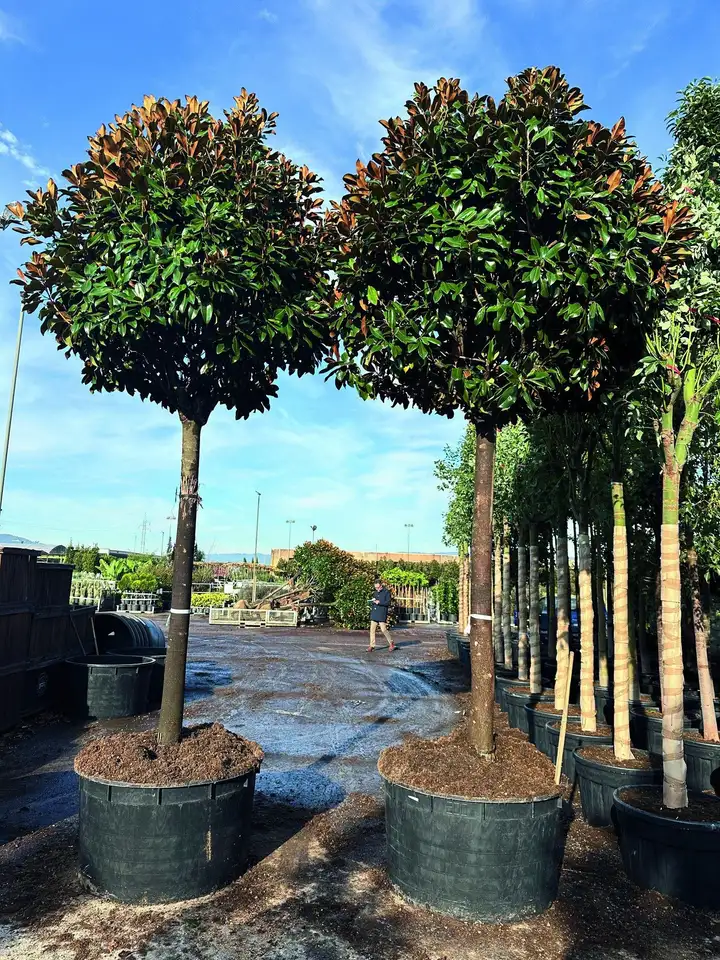
We look for bark wounds, rubbing, sun scald and ties that have cut into the bark. A standard tree needs a single, straight stem.
Leader and crown
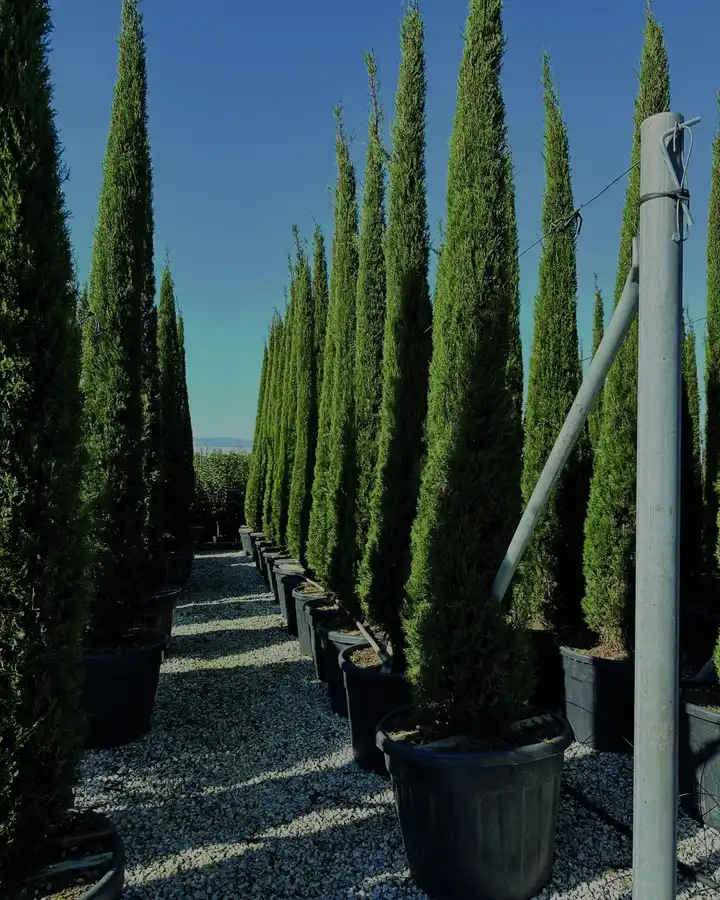
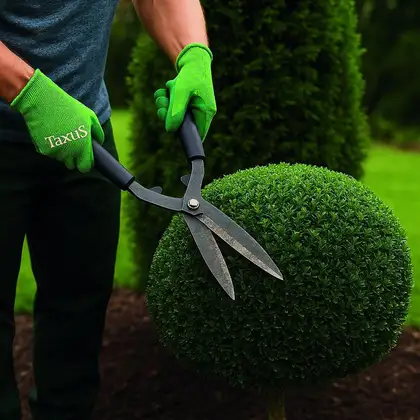
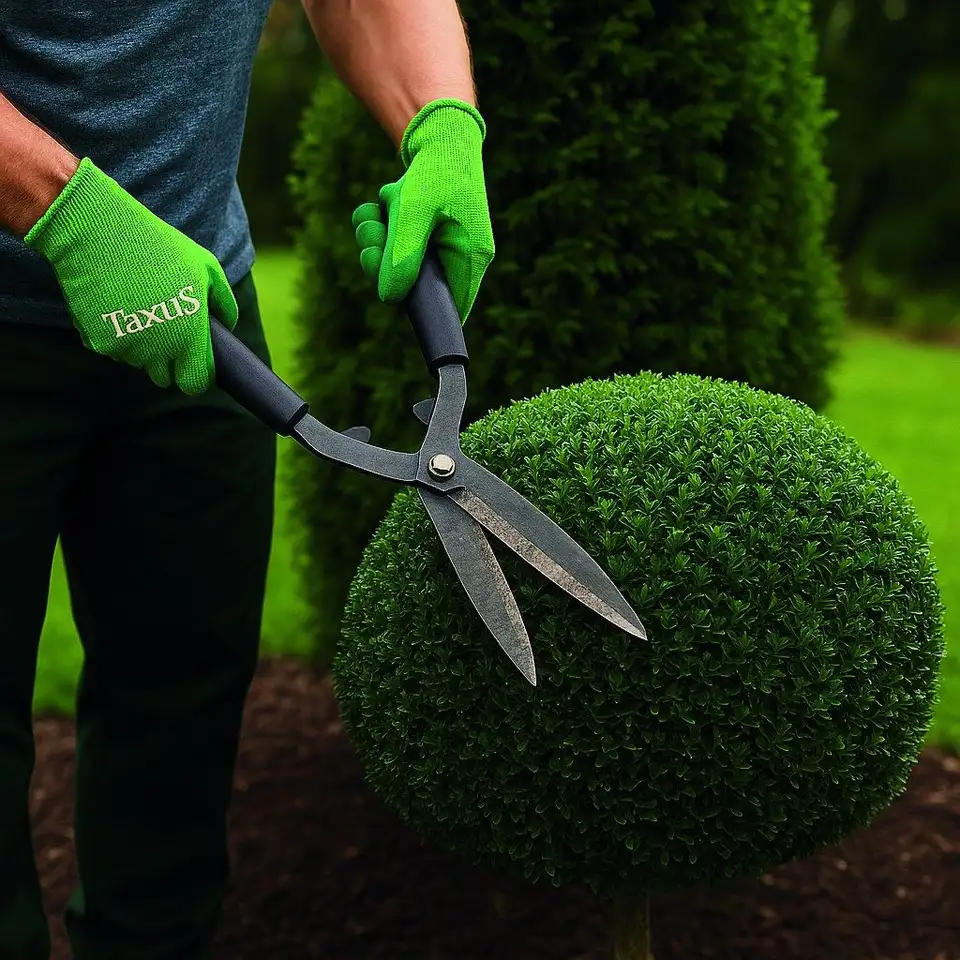
Species grown on a central leader need that leader intact. The crown shouldn't be bare on one side, and topiary should have a full, even surface.
Size and label
Height, girth or pot size is measured against the plant list, and the species on the label has to match the plant it's tied to.
Which plants get turned away?
Any one of the faults below keeps a plant off that order. Some can be put right with pruning or another season in the field, and the plant is looked at again later. Others, such as circling roots, can't.
Circling roots come from a plant left too long in its pot: the roots hit the wall and wind round it, and can carry on growing that way after planting. Because this can end up strangling the stem years later, those plants aren't sent out.
- Thick roots circling the inside of the pot
- A cracked, crumbling or dried-out root ball
- Open bark wounds, bruising or cuts that haven't callused
- A broken leader on species grown with a central leader
- A lopsided crown or topiary that has lost its shape
- Signs of pests or disease on leaves or shoots
Acceptance criteria
A plant with no faults still won't be loaded against a line if it falls outside the size range on the list.
Standard and specimen trees
- Girth at 1 m within the listed range
- Straight stem, sound bark
- Balanced crown, leader intact
- Root ball tightly wrapped and moist
Container plants
- Pot size as listed
- Height within range, measured from the compost surface
- Roots filling the pot, no circling
- Pot undamaged, compost at the right level
Topiary
- Height and width of the shape as specified
- Surface full, no gaps
- Even spacing on spirals and tiered forms
- New growth filled in since the last clip
The first summer after planting
Whether a tree establishes usually comes down to how it's watered in its first summer. Each delivery comes with written planting notes by species: pit width, keeping the top of the root ball level with the surrounding ground, and how often to water in the first months.
Damage spotted while unloading — a snapped branch, a broken ball — should be photographed and reported the same day. If a problem shows up later, we go to site and work out the cause together: transport, planting depth or watering.
Where we look after the planting ourselves, this follow-up is part of the maintenance programme.
About the checks
Who carries out the checks?
The production team that grew the plant, on the day of lifting or loading. Roots, stem, leader, foliage, size and label are checked one by one.
What do you send in place of a rejected plant?
Another plant of the same species and size. If there isn't one in stock, we write to you before dispatch and suggest an alternative species or a later delivery date.
Can we choose the plants ourselves?
Yes. Visit by appointment and you can pick and tag the plants you want. They still go through the same checks on loading day.
Are export loads checked differently?
The same checks apply, plus the official plant health inspection and certificate. Depending on the importing country's rules, root balls or potting media may need extra preparation.
What if a plant dies after delivery?
The first step is finding out why. Planting dates, watering records and photos all help. How to proceed is agreed together once the situation is clear.
Does your specification call for particular sizes?
Send the root ball, girth or topiary dimensions from your specification at quote stage, and the loading-day checks will be made against them.