Services
Landscape Installation
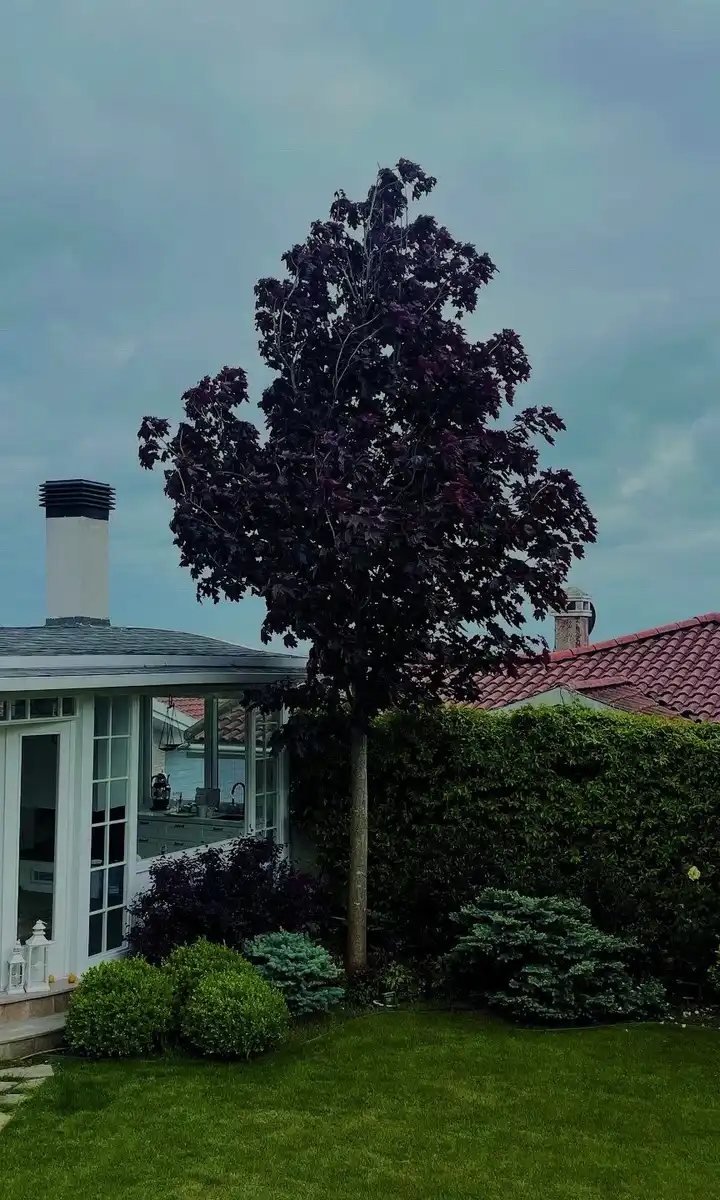
Planting day is the part everyone sees. Before it, the soil, levels and drainage are sorted; after it, the tree is staked, the root zone mulched and the first water goes in.
The first summer after planting shows whether a tree has taken.
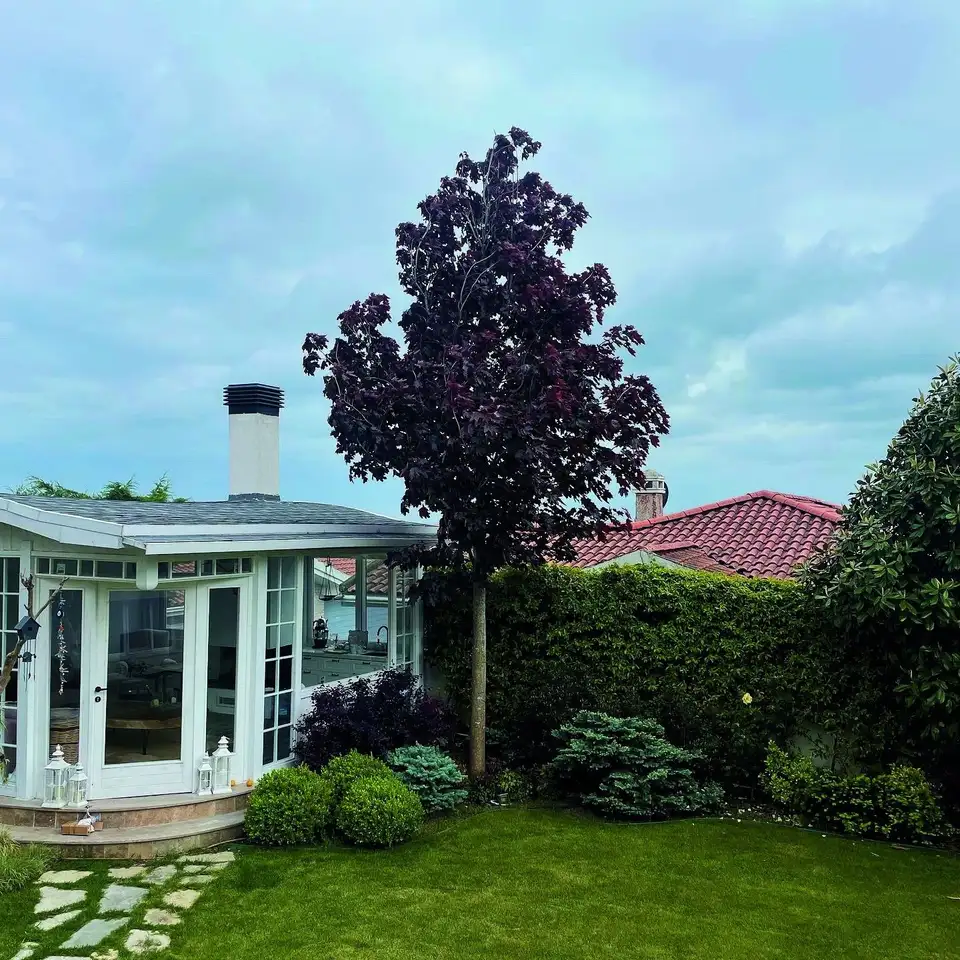
Trees that come through it comfortably tend to have the same things in common. The root flare sits at ground level, the pit was dug wide, the stem is staked and the root zone is under mulch.
The ones that fail have familiar causes too: planted too deep, compacted fill, a pit that holds water like a bucket, a stem rocking in the wind and snapping its new roots.
On site
The order of work
It's the same sequence for a housing scheme's communal grounds or a single villa garden. Only the scale and the machinery change.
Survey
Soil type, existing levels, sun and shade, signs of standing water. The visit also settles where the lorry will pull in and where a crane can be set up.
Soil and grading
Rubble and building waste are cleared and compacted ground is broken up. Topsoil goes down 15–20 cm deep for lawns and 40–50 cm for shrub beds, with a fall of at least 2% away from buildings.
Drainage
On heavy clay that holds water, land drains or gravel trenches go in before planting. Irrigation pipework is laid at the same stage.
Tree pits
Roughly twice the width of the root ball and no deeper than the ball itself. The sides are roughened; if the base has been over-dug it is firmed so the tree doesn't sink later.
Planting and staking
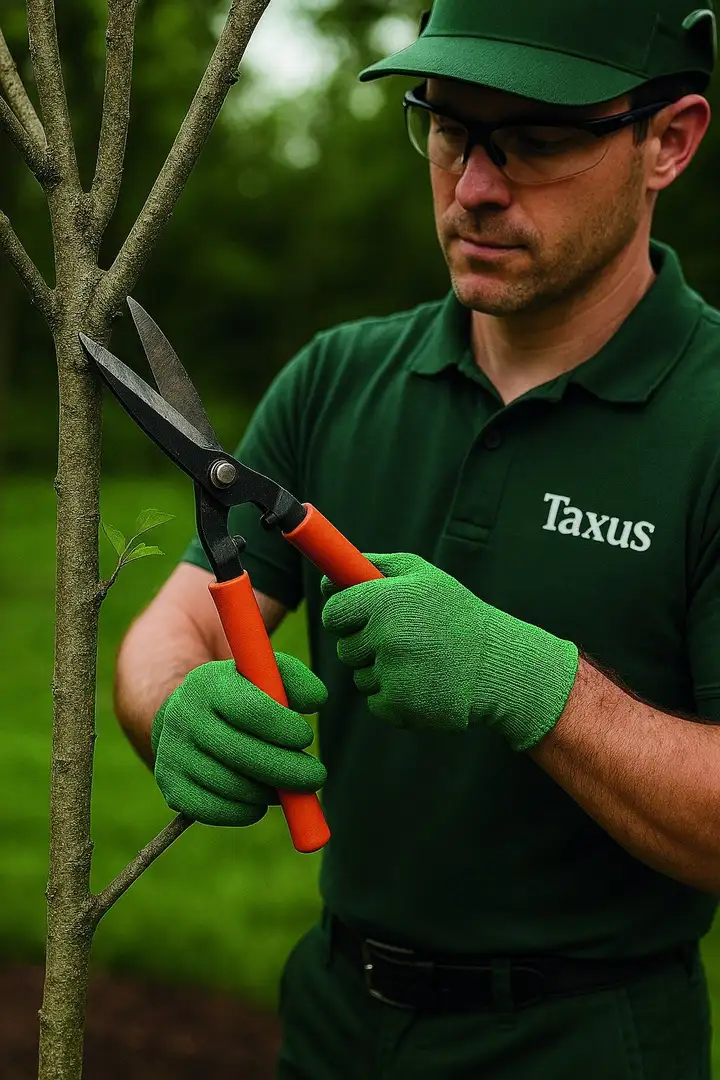
The root flare sits at ground level or 2–3 cm above. Wire and hessian are cut away from the top of the ball. Larger trees are tied to two or three stakes driven outside the ball, using flexible ties that don't bite into the stem.
Mulch and first watering
Mulch goes down 5–8 cm thick over the root zone, kept 5–10 cm clear of the stem. The first watering happens on the day: until the basin fills and the soil settles round the ball.
Sharing the site with other trades
On most projects, landscaping is the last package on site. When the planting crew arrives, electricians may still be pulling lighting cable and the roads team may still be laying kerbs.
So the planting schedule is tied to the site programme. If an area isn't ready, the plants wait at the nursery; a root ball left exposed on a building site can dry out within days in hot weather.
- Ducting for irrigation and lighting laid before hard surfaces are poured
- Tree pits dug while the excavator is still on site
- Plants delivered once the area is cleared and handed over
Four mistakes we see often
Planting too deep
A tree with its root flare buried grows weakly for years and starts to rot at the base. If the pit was dug too deep, the bottom is backfilled and firmed.
A narrow pit
In a pit only as wide as the ball, new roots hit hard soil and start circling. The pit should be at least twice the width of the ball.
Tight ties
A stem tied to its stake with wire or thin string will be strangled within a season. Ties should be flexible, and stakes come out once the tree has rooted, usually within one or two years.
Mulch piled against the stem
Mulch heaped against the trunk keeps the bark permanently damp and invites rot and rodent damage. Spread it in a ring and leave the base of the stem clear.
Planting with trees from our own fields
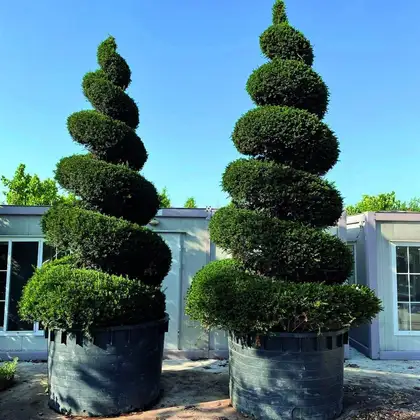
We know which week the root ball was lifted and when the tree was last pruned. The gap between lifting and planting is shorter too; ideally a root-balled tree goes into the ground within a few days of leaving the field.
Lawns come last, once trees and shrubs are in. Turf can be laid for most of the year; for seeding, September–October and April are the safest windows.
Installation: common questions
Will you plant trees we've bought elsewhere?
Yes. When the plants arrive, root balls and pots are checked before planting, and any that look doubtful are set aside and reported to you.
Are ground preparation and drainage included?
If the survey shows they're needed, yes. Grading, soil improvement and drainage appear as separate lines in the quote.
Which months are best for planting?
November to March for root-balled and bare-root deciduous trees; October–November and March–April for conifers. Container-grown plants can go in any month, with more frequent watering for the first six weeks after a summer planting.
When do the stakes come out?
Once the tree has rooted, usually after one or two growing seasons. Left longer, stakes slow the stem's thickening and ties can wound the bark.
Which areas do you cover?
Our crews work mainly in the Marmara region. Projects elsewhere in Turkey depend on timing and crew availability.
Let's book a site visit
Send the drawings if you have them; an address and a few photos will do otherwise. The first step is seeing the site.